

How to Keep Weight Off After Zepbound: Finding Your New Routine
Hunger returning after Zepbound? Understand why weight can come back and build a realistic routine around meals, strength, and support.
Shelog Editorial
Reviewed for clarity and care

Lunch used to keep you going until dinner. Lately, you're opening the fridge at three. Perhaps you've stopped Zepbound, or you're thinking about it, and wondering whether the weight you've lost will come back.
Keeping weight off after Zepbound starts with a plan for this next stage: review treatment with your prescriber, find meals that work for your appetite now, keep moving, and pay attention to changes over time. There is no guaranteed way to avoid regain, but you do have practical steps to take—and you don't have to work them out alone.
If you are still taking Zepbound, you do not have to wait until your last prescription to have that conversation. If you have already stopped, a review can help you decide what support you need next.
Why Am I Hungrier Again?
Zepbound helps make eating less feel easier by acting on pathways involved in appetite. When treatment stops, you may no longer have the same help with hunger. See how Zepbound works.
You might feel hungry sooner, want a larger lunch, or think about food more often. That isn't a sudden loss of willpower; the support your body was getting has changed. Henry Ford Health explains what can happen after treatment stops.
There is another part of the picture: a smaller body generally needs fewer calories. Weight loss can also bring changes in metabolism and hormones that make maintenance harder. NIDDK explains why weight maintenance differs from the initial weight-loss phase.
This helps explain why “I'll just keep eating exactly as I did on the medication” isn't always a comfortable or realistic plan.
In the SURMOUNT-4 trial, people who stopped tirzepatide regained weight on average, even while continuing to receive diet and activity guidance. The study was funded by Eli Lilly, and its averages cannot predict your result. The useful message is simpler: habits matter, but they don't replace treatment. Read the original study.
Before You Change Anything, Have This Conversation
Reaching a goal weight is a good time to discuss maintenance, not an automatic instruction to stop medication. Zepbound is approved for long-term weight reduction maintenance in eligible adults, alongside diet and activity. See its current prescribing information.
You don't need to arrive with a perfect plan. Start with what's making you consider a change. Is it cost? Side effects? Difficulty getting the medication? Or simply wondering what comes next?
Then ask:
- What are my options for maintaining the progress I've made?
- What changes should I watch for, and when should I contact you?
- When will we check in again?
If you've already stopped, these are still useful questions. Don't adjust doses, space injections, or restart leftover medication yourself. Once you have that medical plan, the everyday part becomes easier to focus on: what to eat, how to move, and what to notice.
Start With the Meal That Isn't Working Anymore
You don't have to overhaul your whole kitchen. Think about where the day has started to feel difficult.
Maybe breakfast has become coffee because mornings are rushed. Perhaps lunch is still the small portion you could manage during treatment, but now you're hungry again an hour later. Or dinner is fine, but deciding what to make every evening is wearing you out.
Choose one of those moments to look at first. Tell your dietitian what you're noticing rather than trying to silence hunger with an ever-smaller calorie target.
Shelog can help you look back without relying on memory. Record what you actually ate, including the portion you finished, then revisit a few ordinary days. The aim isn't a flawless diary. It's being able to say, “This is what lunch usually looks like, and this is when I start looking for something else.”
If you need a rough starting reference for your current energy needs, Shelog's maintenance calorie calculator estimates daily expenditure from adult body measurements and activity level. It cannot measure metabolic adaptation or decide your intake after a medication change. Take the estimate as a discussion aid, not a new calorie limit.
Keep a Few Meals You Actually Want to Make
Most of us don't need thirty new recipes. We need something for the evening when we're tired, the fridge looks uninspiring, and takeout is tempting.
Pick a few meals you enjoy and can prepare without much thought. Include protein, but leave room for the rest of the meal: vegetables or fruit, grains or other carbohydrate foods, and the ingredients that make it enjoyable. The joint nutrition advisory on GLP-1 treatment emphasizes varied, nutrient-dense food and support tailored to the individual.
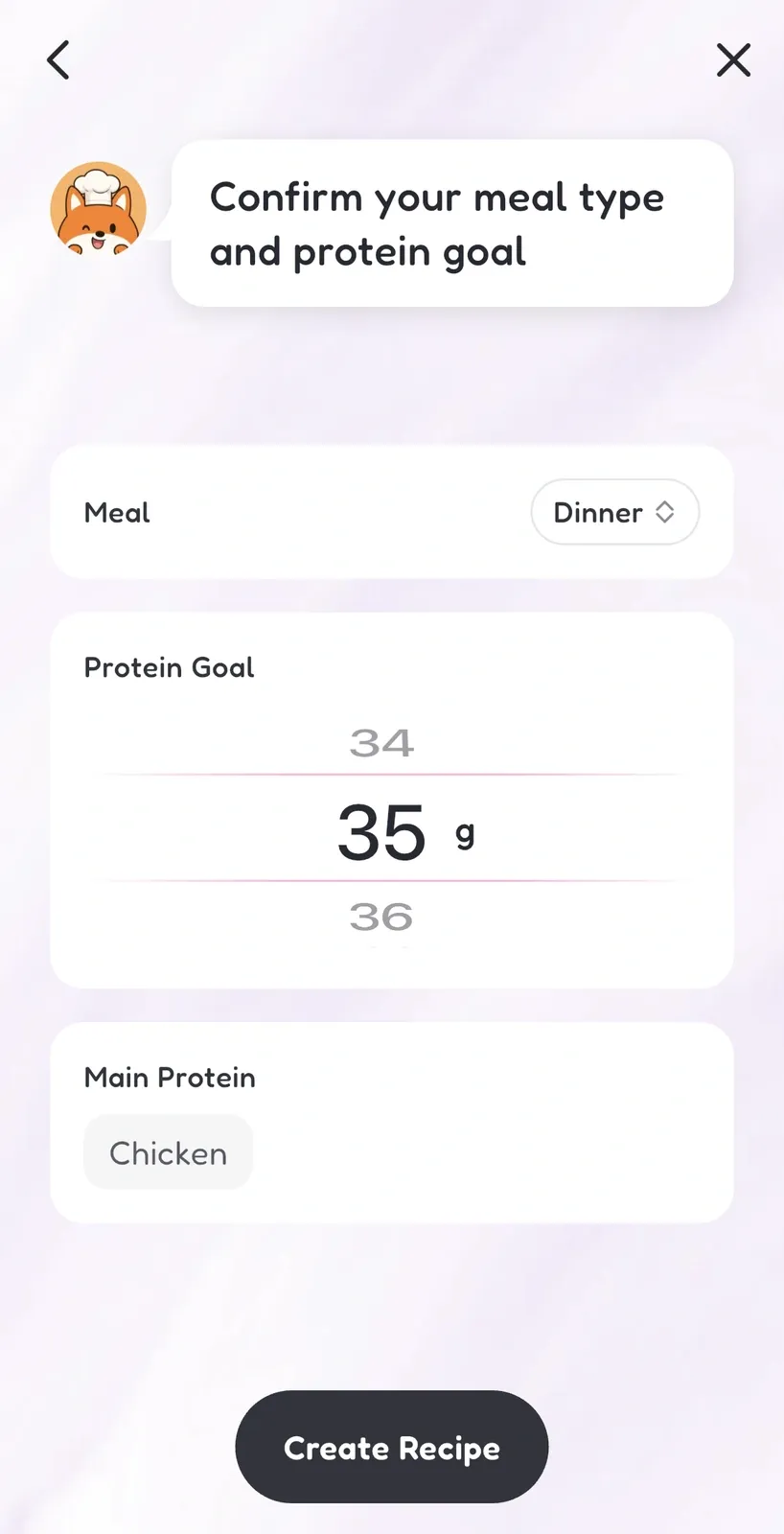
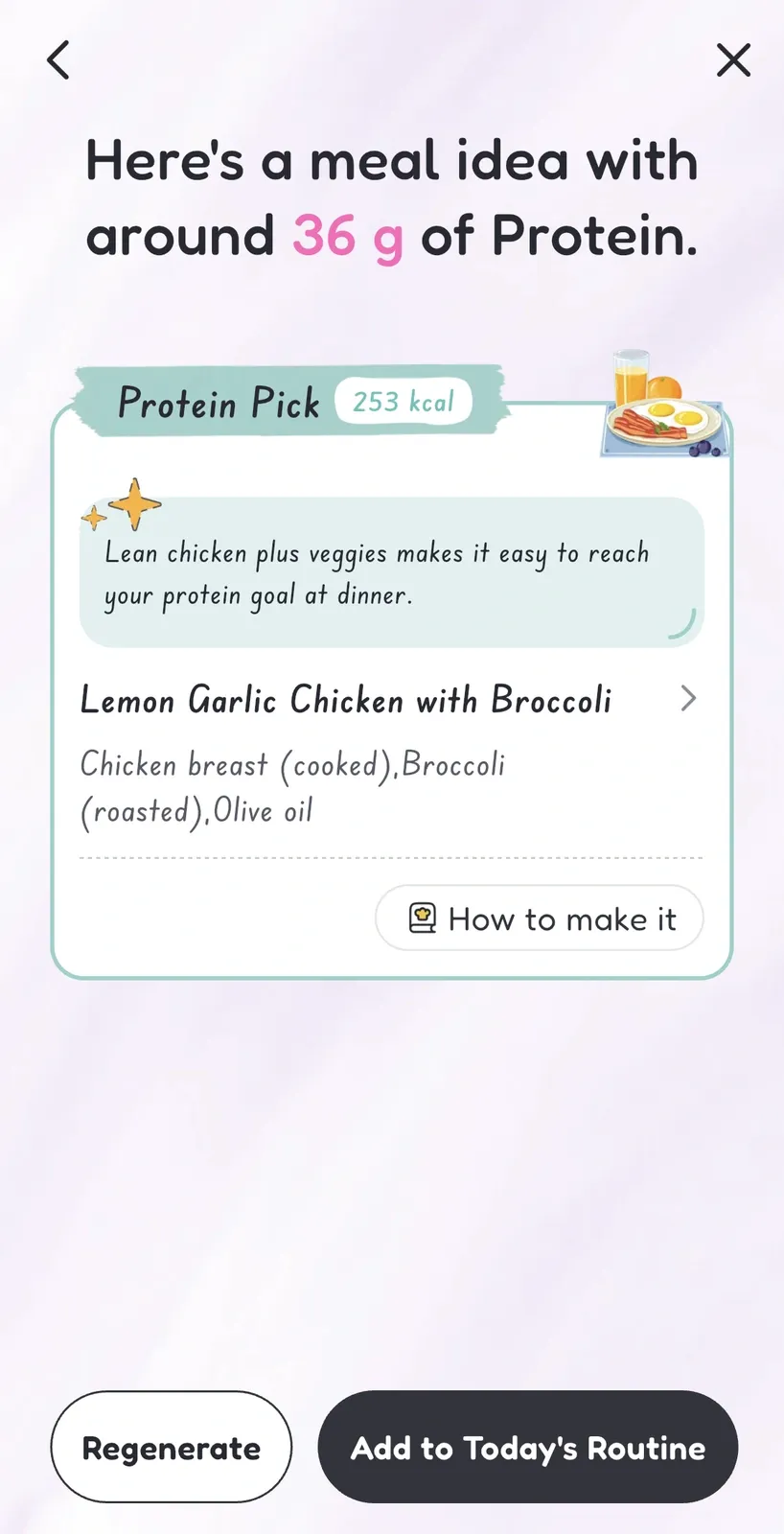
This is a natural place to use Shelog's Premium recipe recommendations. When you want a protein-focused option, Protein Helper lets you choose a meal, set a protein goal for that meal, and select a main protein source. Explore the suggested dish, check its ingredients and estimated nutrition, and decide whether it suits tonight.
If you want help understanding why targets vary, our guide to protein needs on a GLP-1 covers that question. A kidney condition or prescribed restriction needs individual advice, not a higher target copied from another person's meal plan.
You can build a small collection of go-to meals from there. The useful test isn't whether a recipe looks perfect in an app; it's whether you like it enough to make it again.

Put Movement Somewhere It Can Stay
“I'll exercise more” is hard to follow on a busy week. A walk that fits your commute, a class you look forward to, or a home strength session on a quieter evening gives that intention a place in your day.
For general adult health, the CDC recommends at least 150 minutes of moderate-intensity activity each week and muscle-strengthening activity on two days. This is a public-health baseline, not a prescription proven to prevent Zepbound-related regain. Your needs and starting point may differ.
The joint advisory also stresses that increased protein alone is unlikely to preserve muscle without structured strength training. Ask for help choosing suitable exercises if you are new to them, have pain, or have noticed weakness. Read the advisory's muscle-health guidance.
You can use Shelog to record exercise alongside food and weight. That may help you recall what your week actually involved, but it does not assess your strength or prescribe a training program. Our Zepbound muscle-loss article explains those distinctions in more detail.
Look Back With Curiosity, Not a Red Pen
Agree with your care team on how often to check your weight, what range you are working toward, and when a change warrants review. NIDDK recommends keeping a record as part of long-term weight maintenance.
Use your Shelog entries to look at the bigger picture. Has your lunch changed? Have walks become less frequent since work got busy? Are the records complete enough to tell you anything useful?
Shelog's food analysis can also show recurring mixes of protein, carbohydrate, and fat across recorded days, with meal comparisons. Treat those patterns as a reason to revisit the meals—not as an explanation for why your weight changed. A similar percentage can still come from different amounts of food.
If tracking makes you anxious or encourages restriction, tell your care team and discuss a less number-focused approach. You do not need more data at the expense of feeling safe around food.
If the Weight Is Coming Back, Don't Wait to Ask for Help
You do not have to wait until you are back at your starting weight. Arrange a review if the trend is moving beyond the range agreed with your clinician, hunger is becoming difficult to manage, or your current plan is no longer practical.
Bring a few recent records and explain what's different. You don't have to prove you've done everything perfectly before asking for more support. Henry Ford Health recommends reviewing regain with your doctor so you can decide the next step together. See its follow-up advice.
If you'd like somewhere to keep meals, movement, and weight together, download Shelog. Use the meal ideas and records to make your maintenance routine easier to follow—and easier to talk about when you need help.
A Few Questions You Might Still Have
Can I avoid all weight regain after stopping Zepbound?
No approach can promise that. Some people maintain more of their loss than others. Work with your prescriber on a plan and review changes early; do not treat a study average as your personal forecast.
Does needing ongoing treatment mean I failed?
No. Obesity is a chronic condition, and treatment may need to continue or change over time. The decision should reflect your health and circumstances, not whether you've been “good enough.” NIDDK explains long-term treatment decisions.
Can Shelog prevent rebound weight gain?
Shelog can help you plan meals, record food and activity, and review patterns. It has not been shown to prevent weight regain after Zepbound, and it cannot determine your medication needs.
Sources
- Zepbound prescribing information
- Aronne et al.: SURMOUNT-4 randomized withdrawal trial
- NIDDK: Prescription Medications to Treat Overweight & Obesity
- NIDDK: Eating & Physical Activity to Lose or Maintain Weight
- 2025 joint advisory: Nutritional priorities to support GLP-1 therapy for obesity
- CDC: Adult Activity Overview
- Henry Ford Health: What To Expect If You Stop Taking Weight Loss Medication
General education for adults, not an individual treatment, nutrition, or exercise plan.
This article is for general education and is not a substitute for personal medical or nutrition advice.
Take Shelog with you
Take Shelog with you
Shelog turns the ideas in this article into a simple daily diary—food, mood, movement, and weight in one calm place.