

What to Eat on a GLP-1 When You're Not Hungry
Small meals, realistic food choices, and a clearer way to plan and record what you eat when GLP-1 treatment changes your appetite.
Shelog Editorial
Reviewed for clarity and care

It's lunchtime, and you're standing in front of the fridge. The ingredients are there. Your appetite isn't. Cooking feels like a lot of effort for a meal you may only take a few bites of.
When you're not hungry on a GLP-1, try smaller, regular meals built around foods you can comfortably eat, rather than waiting for a large appetite or forcing down a full plate. If eating enough keeps feeling difficult, bring it to your care team.
These medicines can change hunger and digestion, but you still need a variety of nutrients. Cleveland Clinic's GLP-1 diet guidance explains why food choices still matter when you're eating less. The aim here is to make meals manageable, not to see how little you can get by on.
Start With Something You Can Imagine Eating
You do not need an elaborate recipe to get started. Consider a small serving of a familiar food: yogurt, an egg, tofu, fish, or a simple soup. The 2025 joint nutrition advisory discusses smaller, more frequent meals and options such as smoothies, cottage cheese, and soups when interest in food is low. Read the advisory's nutrition guidance.
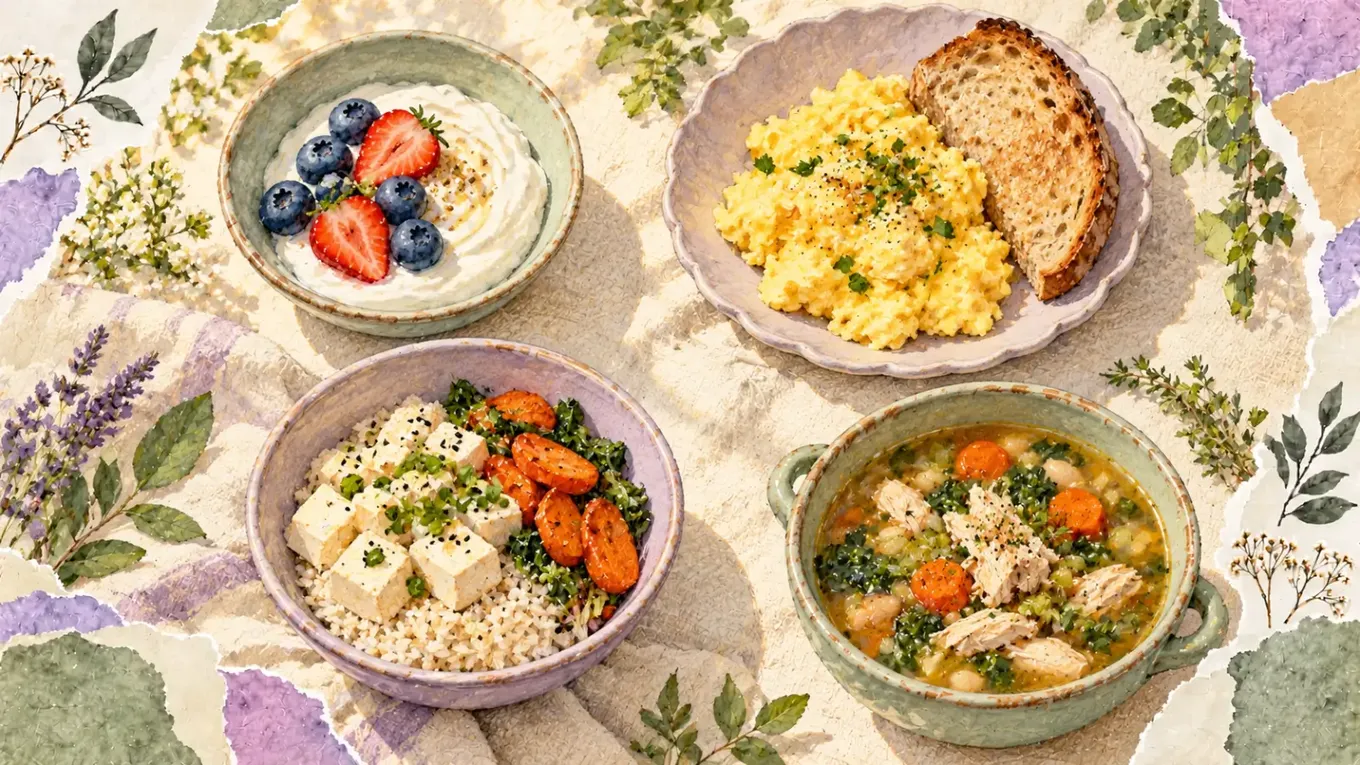
For a starting point, you might consider:
- Plain Greek yogurt with some fruit.
- Scrambled egg with toast.
- Soft tofu alongside rice and cooked vegetables.
- A small bowl of soup containing chicken or beans.
These are starting points, not a full day's menu or prescribed portions. Work around allergies and any dietary restrictions. If your usual chicken lunch no longer appeals, you have other options; you don't have to keep making a meal you dread.
Not Hungry and Feeling Sick Are Different Problems
If you have little interest in lunch but otherwise feel comfortable, choosing something simple may be enough to get you started. Nausea, vomiting, or pain calls for a different conversation.
For nausea, Guy's and St Thomas' NHS guidance suggests small meals, trying cold rather than hot foods, and avoiding strong cooking smells. It includes plain toast, rice, potatoes, eggs, yogurt, and soft tofu among foods to try.
Plain food can be a reasonable place to start when you're feeling sick. You do not have to assemble a large salad or cook something aromatic when those are the last things you want.
If symptoms are getting worse, contact your care team rather than working through an ever-longer list of foods to try.
Make the Meal Smaller, Not the Whole Day an Afterthought
A large plate may feel unappealing before you even begin. Try serving a smaller amount, eating slowly, and leaving yourself the option of another eating opportunity later. Baylor Scott & White's diet guidance discusses smaller, more frequent meals rather than large portions.
The distinction is between changing the size of a meal and repeatedly missing meals without noticing. If a busy afternoon passes and you realize lunch never happened, a reminder on your phone could help you pause and consider something to eat.
There is no need to turn that reminder into an instruction to finish food despite discomfort. If even small amounts are regularly difficult, ask your dietitian or prescriber to help you work out a plan.
Include Protein Without Making It the Only Thing You Eat
If your care team has given you a protein target, use it to guide your choices. You might include an egg at breakfast or choose tofu rather than a meal with no clear protein source. You do not have to rely on one food you have stopped enjoying.
Our guide to protein needs on a GLP-1 explains why targets need individual context, especially with kidney disease or a prescribed protein restriction.
Protein still needs company on the plate. Cleveland Clinic recommends a range of foods, including produce, lean proteins, and whole grains. A registered dietitian can help you find a mix that fits your appetite and needs. See its food guidance.
Use Shelog to Connect Meal Ideas With What You Actually Eat
Having a protein goal doesn't automatically answer "What's for dinner?" Shelog gives you somewhere to start.
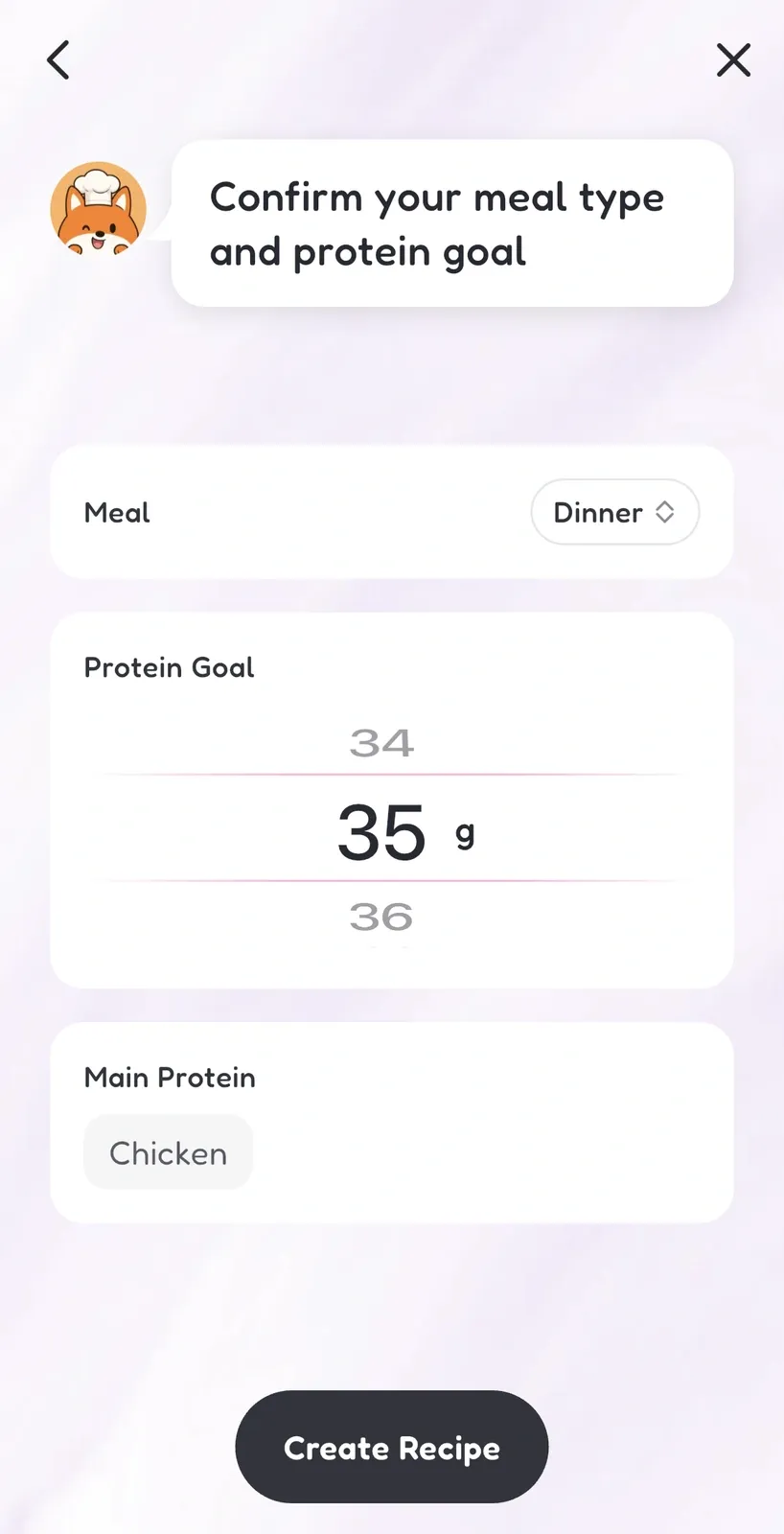
Its recipe recommendations offer ideas when you are tired of deciding what to cook. In Protein Helper, you can choose a meal type, set a protein goal for that meal, and select a main protein source. It then suggests a meal idea with an approximate protein amount and a link to preparation instructions. Use your care team's guidance to decide how a meal target fits into your day, then review the suggestion against your preferences, dietary restrictions, and appetite. Recipe recommendations and Protein Helper are Premium features.
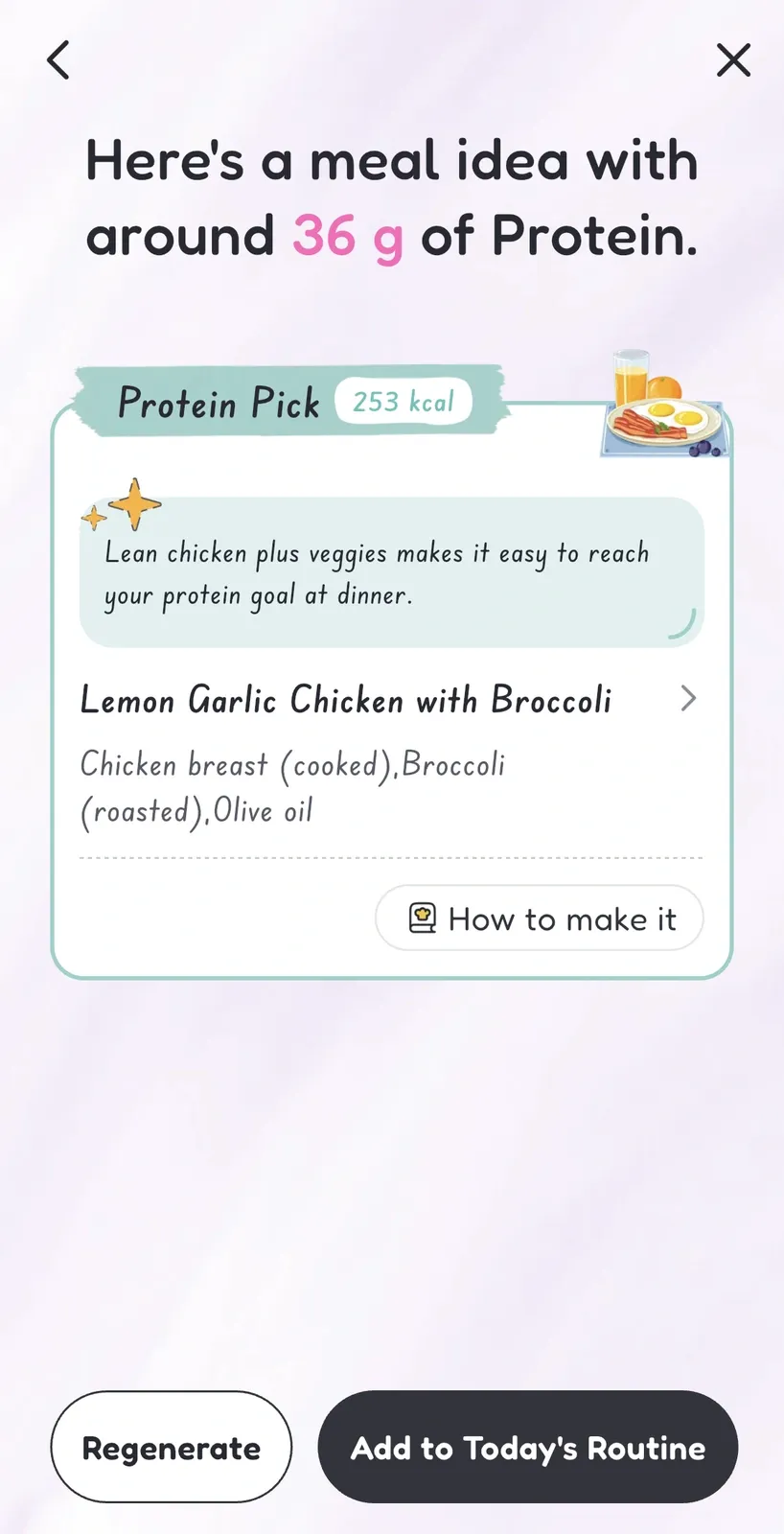
An app suggestion is an option to consider, not a GLP-1-specific medical meal plan. You can decide a recipe is too much cooking for today, or that a different protein source sounds more appealing.
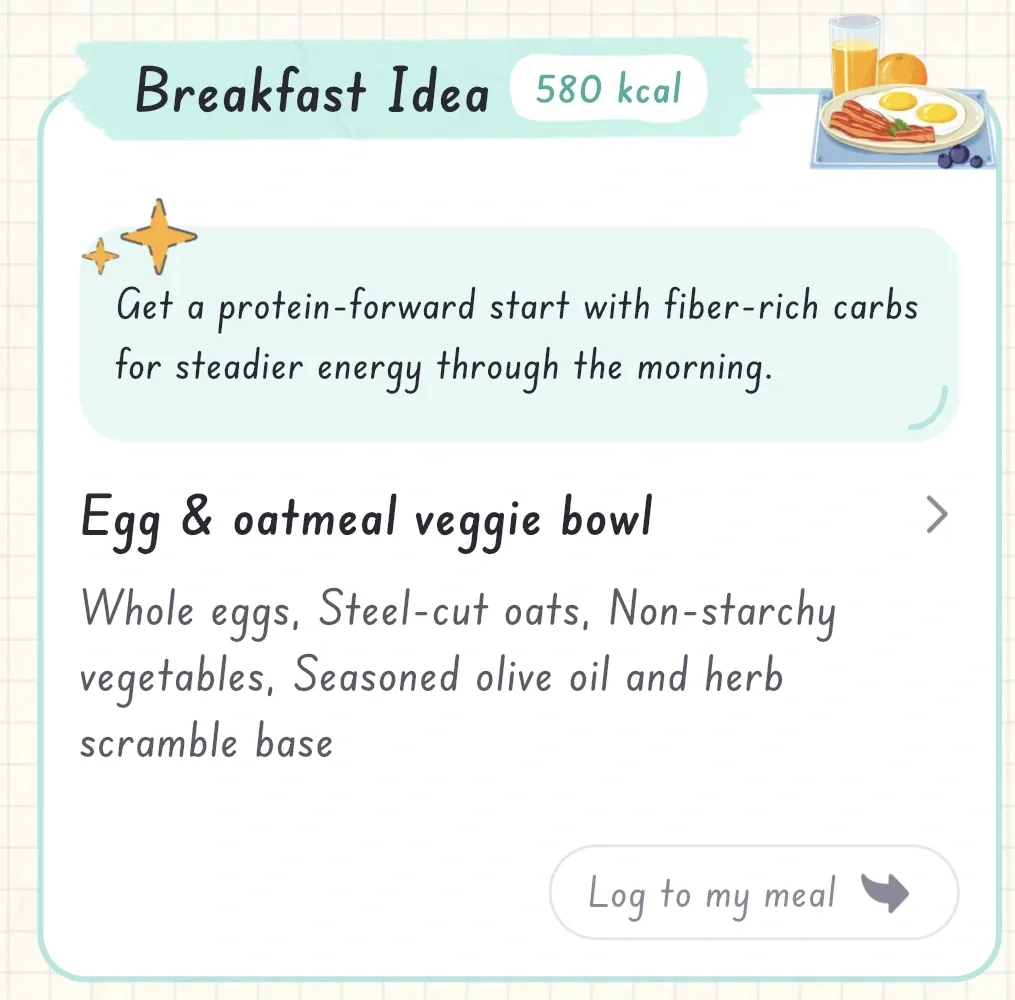
After eating, record what you actually had. If you prepared a full serving but ate half, review the entry so it reflects that amount. The planned meal and the food you finished are not necessarily the same.
Over time, Shelog's food analysis lets you explore recurring protein, carbohydrate, and fat calorie-share patterns across recorded days, along with meal comparisons. Use that wider view as a prompt to revisit particular entries. To compare intake with a protein goal, look at the amounts in your records: a percentage alone cannot tell you whether you ate enough grams, and missing entries can change the picture.
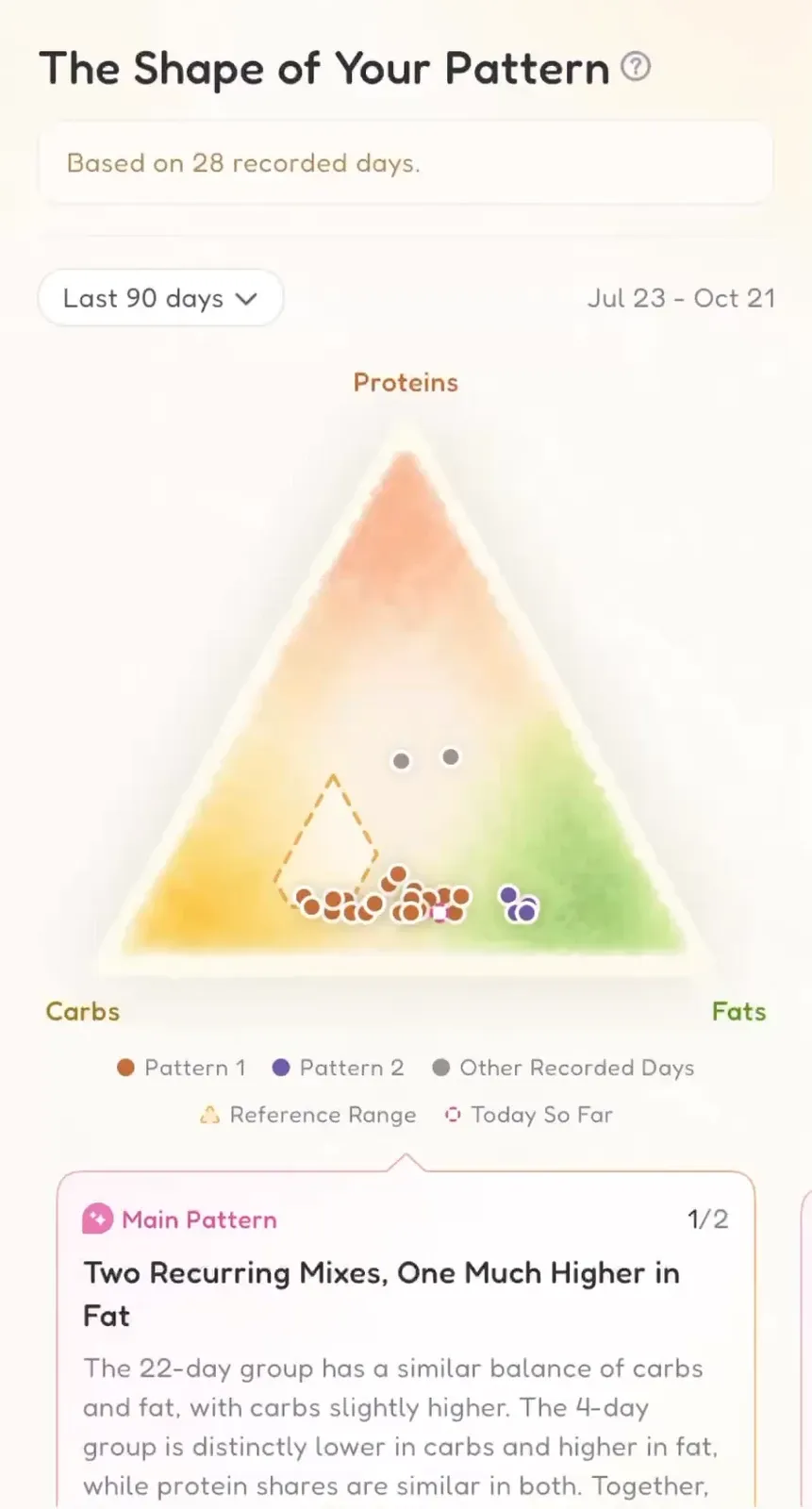
Perhaps you keep leaving the chicken but finish the yogurt you have later. Those details are worth bringing to your dietitian: they can help you discuss alternatives to meals that look good on paper but rarely get eaten.
If that would make your day easier, download Shelog to explore meal ideas and keep your food records in one place.
Looking After Muscle Takes More Than a Recipe
Choosing suitable protein foods and following through on meals can be part of looking after muscle during weight loss. But protein alone is not the whole plan: the joint advisory emphasizes pairing appropriate nutrition with structured resistance training. Read its muscle-health discussion.
Shelog can support the planning and recording habits involved; it cannot measure muscle mass or guarantee that muscle will be preserved. If strength is a concern, discuss suitable activity and assessment with your care team. Our Zepbound and muscle loss article explains why lean mass, muscle size, and everyday strength are different questions.
When Food Suggestions Are Not Enough
Contact your care team if you are repeatedly unable to eat enough, or symptoms are making meals difficult. Ask for advice promptly if you cannot keep fluids down, your urine becomes dark, or you feel lightheaded—signs highlighted in the NHS side-effect guidance.
Severe or persistent abdominal pain needs urgent medical assessment. For people taking Zepbound, its prescribing information warns about pancreatitis, severe gastrointestinal symptoms, and dehydration-related kidney injury. Check the safety guidance for your own medication and contact your prescriber rather than experimenting with doses yourself.
You do not need a perfect food diary before making that call. A few details about what you managed to eat, what stopped you, and when it began can help explain what has changed.
Common Questions
Should I force myself to eat when I'm not hungry on a GLP-1?
Try a small meal or snack rather than forcing a full plate. If you keep eating very little, ask your care team for an approach that fits your symptoms and nutritional needs.
Do I need a different recipe for every meal?
No. Start with familiar options you are willing to eat. Recipe suggestions are useful when you want ideas, not another daily task you have to complete.
Can Shelog tell me whether I'm losing muscle?
No. Its food records and analysis can help you review eating habits, but they do not measure muscle or establish nutritional adequacy. Those concerns need appropriate professional assessment.
Sources
- Cleveland Clinic: GLP-1 Diet Guidance
- 2025 joint advisory: Nutritional priorities to support GLP-1 therapy for obesity
- Guy's and St Thomas' NHS Foundation Trust: Managing side effects with diet
- Baylor Scott & White Health: What to eat while taking a GLP-1 medication
- Zepbound prescribing information
General education for adults, not an individualized nutrition plan or advice to change medication.
This article is for general education and is not a substitute for personal medical or nutrition advice.
Take Shelog with you
Take Shelog with you
Shelog turns the ideas in this article into a simple daily diary—food, mood, movement, and weight in one calm place.