

GLP-1 Fast Food Options: What to Order at Popular Chains
Compare calories, protein, carbs, fat, fiber, and sodium in GLP-1 fast food options from Chick-fil-A, McDonald's, and Taco Bell.
Shelog Editorial
Reviewed for clarity and care

Return, don't restart
If you’re ordering fast food on a GLP-1, three options are Chick-fil-A’s 8-count Grilled Nuggets with a small Fruit Cup (190 calories, 26 g protein), McDonald’s Hamburger with Apple Slices (265 calories, 12 g protein), and Taco Bell’s Bean Burrito (360 calories, 13 g protein). Here’s what each order contains and how the numbers change with a different side or sauce.
GLP-1 Fast Food Options Compared
| U.S. order | Calories | Protein | Total carbs | Fat | Fiber | Sodium |
|---|---|---|---|---|---|---|
| Chick-fil-A 8-count Grilled Nuggets + small Fruit Cup | 190 | 26 g | 15 g | 3 g | 2 g | 440 mg |
| Chick-fil-A 8-count Grilled Nuggets + small Waffle Potato Fries | 450 | 29 g | 36 g | 22 g | 4 g | 630 mg |
| McDonald’s Hamburger + Apple Slices | 265 | 12 g | 34 g | 9 g | 1 g | 510 mg |
| McDonald’s Hamburger + small French Fries | 480 | 15 g | 61 g | 20 g | 4 g | 700 mg |
| Taco Bell Bean Burrito (one standard burrito) | 360 | 13 g | 54 g | 10 g | 8 g | 1,080 mg |
Totals are the listed menu items added together. They exclude drinks and extra dipping sauces and include the toppings and sauces that come on the main item. Check your local menu for availability and updated values. Chick-fil-A nutrition guide · McDonald’s U.S. nutrition calculator · Taco Bell nutrition data
What to Order at Chick-fil-A, McDonald’s, and Taco Bell
Chick-fil-A: Grilled Nuggets and a Fruit Cup

The 8-count Grilled Nuggets alone have 25 g of protein and 3 g of fat. With a small Fruit Cup, the order has 26 g of protein and 15 g of total carbs. Choose the small waffle fries if you want a more substantial side. That swap adds 260 calories, 21 g of carbs, and 19 g of fat. A full packet of Chick-fil-A Sauce adds another 140 calories and 13 g of fat to either order. If richer foods have been making you queasy, that’s a reason to consider the fruit or keep the sauce on the side.
McDonald’s: A Hamburger and Apple Slices
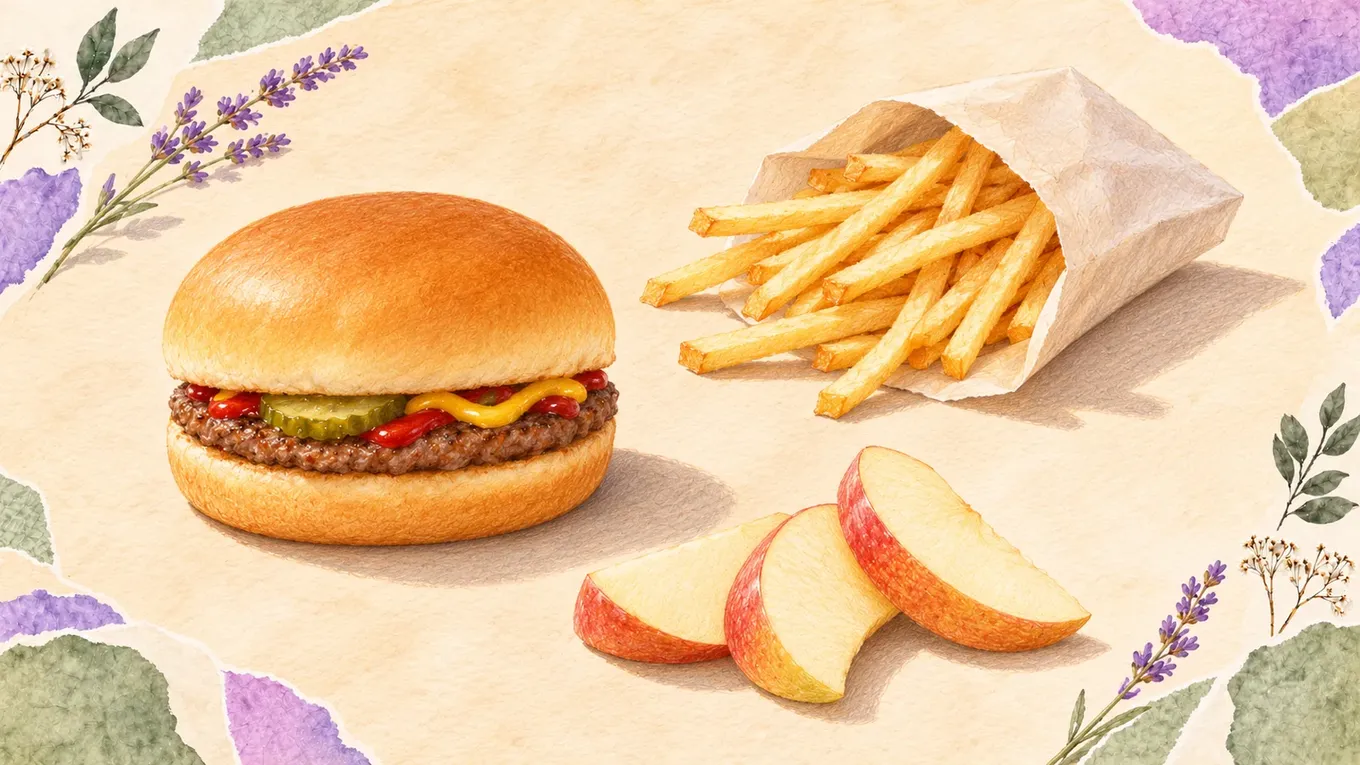
The classic Hamburger alone has 250 calories, 12 g of protein, 30 g of total carbs, and 9 g of fat. Apple Slices add 15 calories and 4 g of carbs. Small fries add 230 calories, 31 g of carbs, and 11 g of fat. If you want the fries, those are the numbers to use for the order you’ll actually eat. The burger and apple slices provide 12 g of protein in total, so consider what else you’re eating that day if your appetite has been making it hard to get enough.
Taco Bell: A Bean Burrito
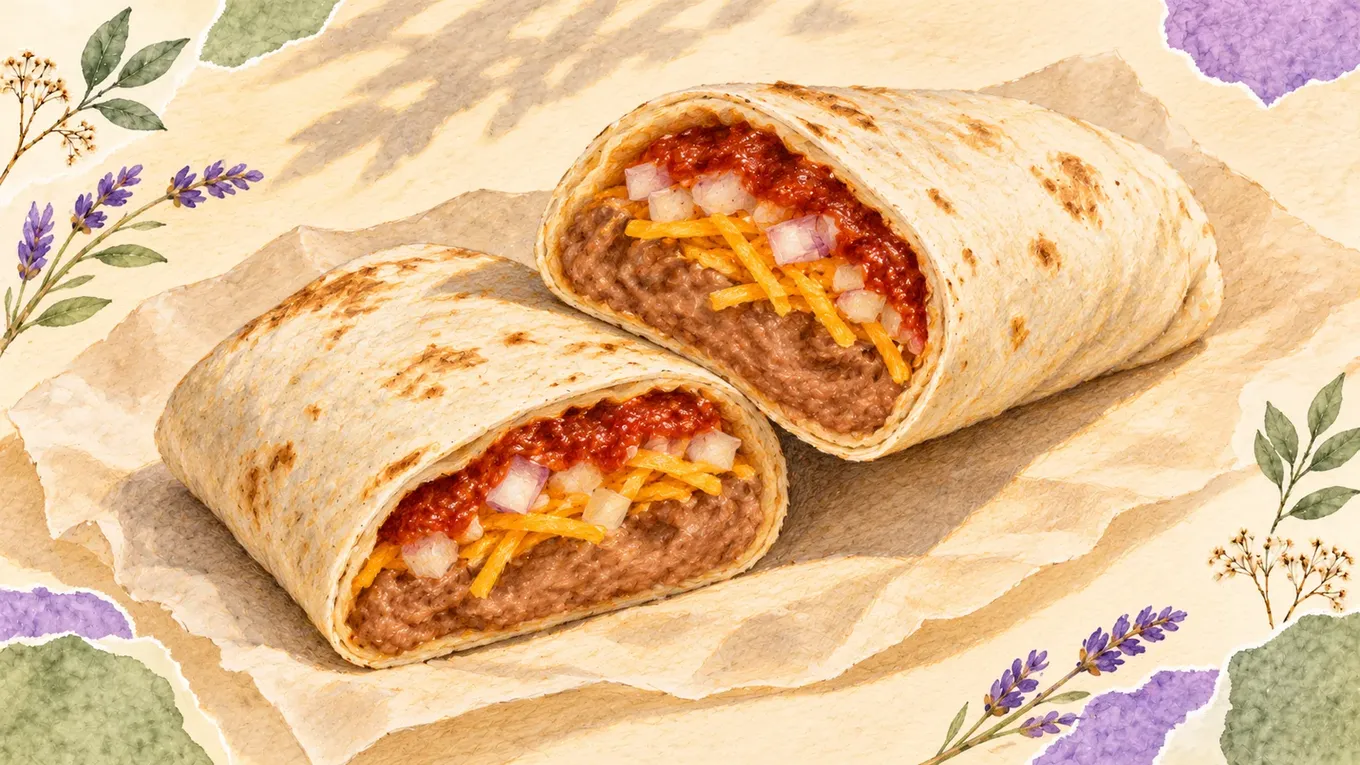
The Bean Burrito comes with refried beans, red sauce, onions, and cheese. It has the most fiber of the orders above (8 g) and the most sodium (1,080 mg). If beans usually sit well with you, it’s a one-item option with 13 g of protein. If you count carbs under a diabetes care plan, use the 54 g total carbs listed for the standard burrito and follow the guidance from your care team.
How to Choose When Nothing on the Menu Sounds Quite Right
If you’ve barely eaten since breakfast, the 190-calorie order may leave you needing more later. Use the numbers to decide what fits your appetite and what you’ve already eaten. If you tend to feel full partway through a meal, you can eat what feels comfortable and plan another opportunity to eat later. A joint nutrition advisory for GLP-1 therapy emphasizes getting adequate nutrition even when appetite changes.
If nausea is making the decision for you, look at portion size and fat together. A smaller serving and a less rich side may be easier to manage if you’ve noticed that larger or higher-fat meals make your symptoms worse. Expert consensus on GLP-1 digestive side effects
If a small appetite has been making meals hard most days, see our guide to what to eat on a GLP-1 when you’re not hungry.
When to Check In With Your Care Team
Tell your prescriber if nausea or other digestive symptoms keep getting in the way of eating or drinking. Seek urgent medical care if you have severe belly pain or can’t keep fluids down. If your diabetes care team has given you a meal plan, use it to guide your choices. MedlinePlus has more on when to seek care for nausea and vomiting.
Log Your Fast-Food Order With Shelog
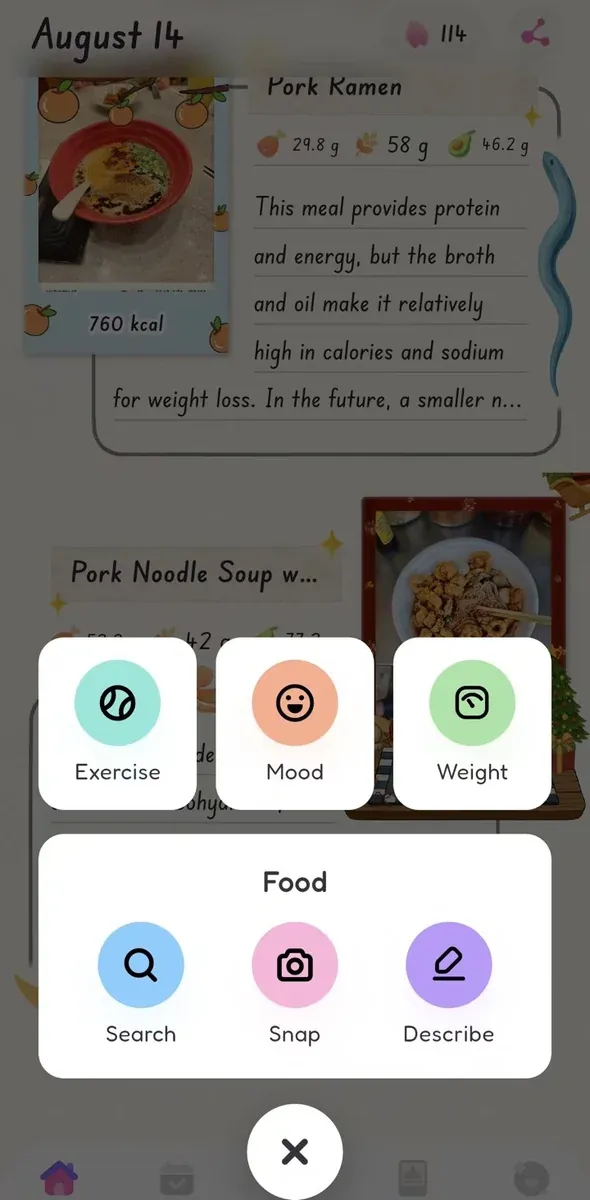
Remember the order you actually ate, including the swaps. In Shelog, you can snap a photo, search for individual foods, or describe the meal in your own words. Try an entry like “8 grilled nuggets, small fruit cup, half a packet of sauce.” You can review your calories, protein, carbs, and fat in the food diary. For branded items, use the restaurant’s published numbers to check the entry when accuracy matters. Our guide to logging restaurant meals shows how to account for sides and sauces without counting them twice.
Download Shelog on the App Store
Sources
- Joint advisory from the American College of Lifestyle Medicine, American Society for Nutrition, Obesity Medicine Association, and The Obesity Society. Nutritional priorities to support GLP-1 therapy for obesity.
- Gorgojo-Martínez et al. Multidisciplinary consensus on managing gastrointestinal side effects of GLP-1 receptor agonists.
- MedlinePlus. Nausea and vomiting in adults.
- Menu examples checked against the U.S. chain pages linked above on November 13, 2026.
This article is for general education and is not a substitute for personal medical or nutrition advice.
Take Shelog with you
Take Shelog with you
Shelog turns the ideas in this article into a simple daily diary—food, mood, movement, and weight in one calm place.